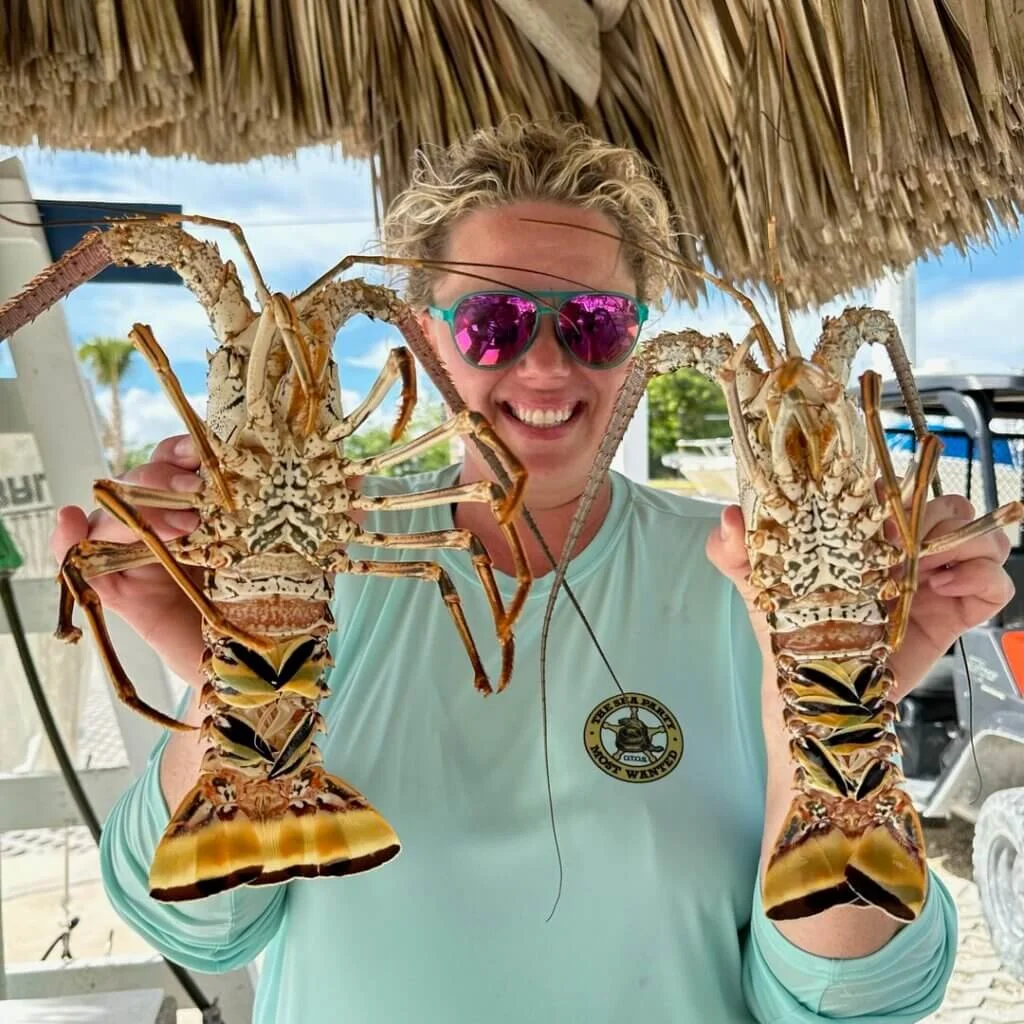
How to Catch Florida Spiny Lobster & Cook It Island Style
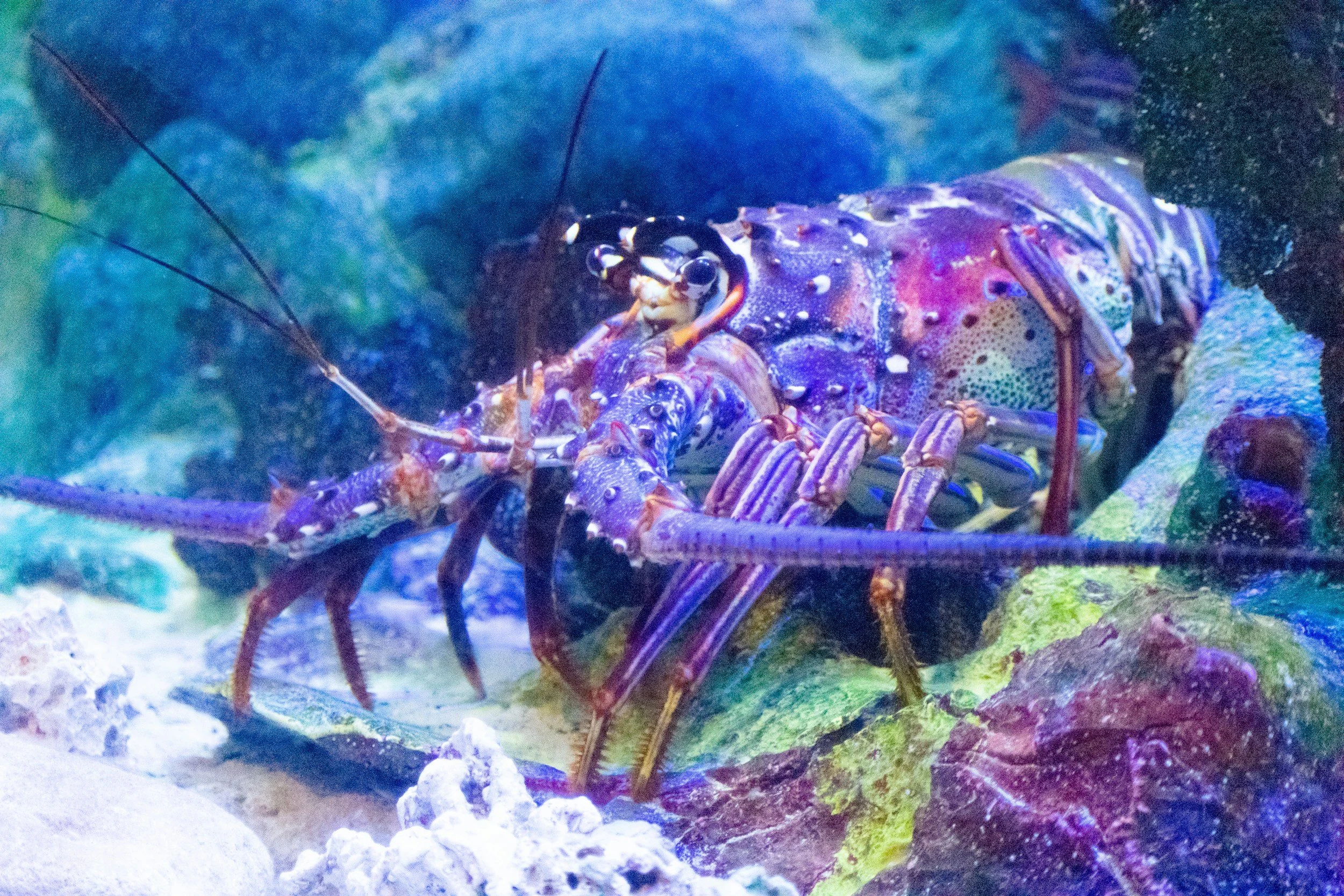
When it comes to the underwater treasures of the Florida Keys, the Florida spiny lobster is a
prize that’s as fun to hunt as it is delicious to eat. With their long antennae and armored
bodies, these warm-water lobsters are a seasonal favorite for divers and snorkelers
alike—especially around Marathon, a top spot for lobster hunting adventures.
In this guide, you’ll learn:
Why spiny lobster are so unique
The best time and places to catch them
What gear and strategies to use
How to cook them island-style
Where to stay for the ultimate lobster-catching experience
What Makes Florida Spiny Lobster Special?
Unlike their cold-water cousins, spiny lobsters have no claws—they use their long antennae
and speed to escape predators. Their prized meat is in the tail, known for being tender,
sweet, and perfect for grilling or broiling.
Spiny lobsters are an eco-friendly seafood option and are highly sustainable when
harvested responsibly. The thrill of the hunt is half the fun—plus, there’s no better feeling
than grilling your fresh catch later that night.
When to Catch Spiny Lobster
The regular Florida lobster season runs from August 6 through March 31 every year.
During this time, you can dive or snorkel for lobster throughout the Florida Keys, including
Marathon’s reef-rich waters.
Best months: August to October for warmer waters and visibility
Time of day: Early morning or late afternoon when lobster are more active
Where to Catch Lobster in Marathon
Spiny lobster love hiding under rocks, ledges, coral heads, and debris in water ranging from
3 to 30 feet deep.
Top lobster hunting spots in Marathon include:
Sombrero Reef – Great visibility and coral structure
Coffins Patch – Known for shallow ledges and easy diving
Delta Shoal – Less crowded, productive waters
Patch reefs near Boot Key – Calm, accessible from shore or boat
Use your mask to scan the bottom for twitching antennae—lobsters like to back into holes
and hide.
Gear & Tactics for Catching Lobster
Essential gear:
Mask, snorkel, fins
Gloves (for protection!)
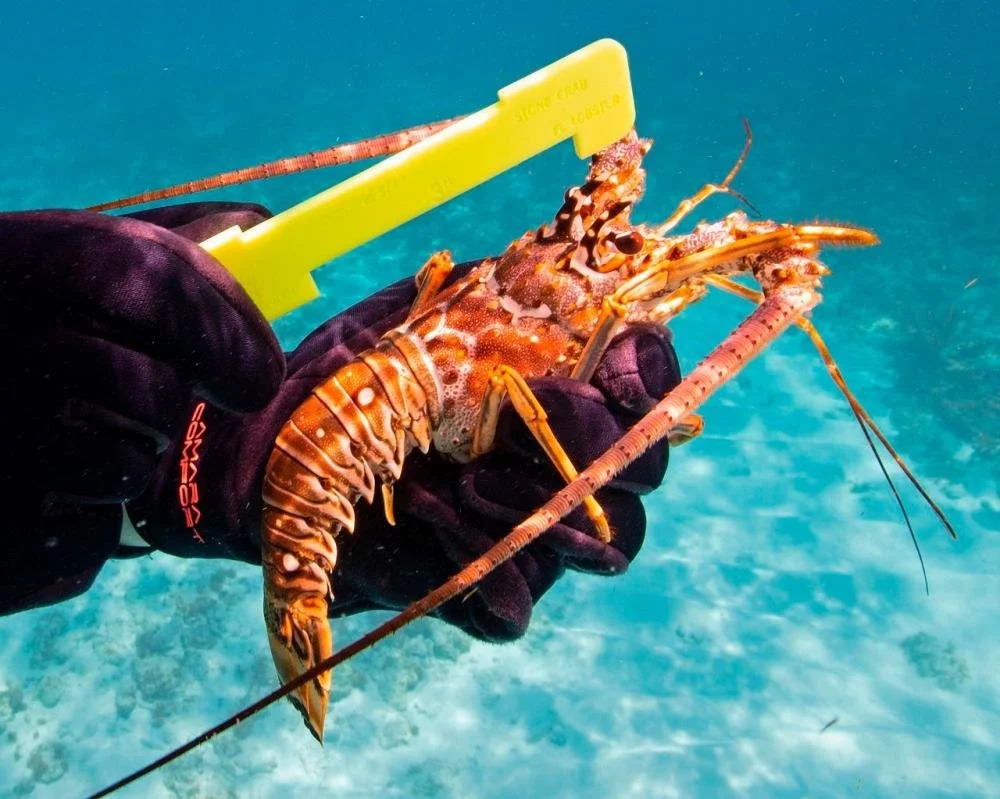
Lobster tickle stick
Lobster net
Mesh catch bag
Lobster measuring gauge
How to catch them:Approach slowly and calmly
Use your tickle stick to coax lobster out of their hole
Net from behind and quickly move them to your bag
Always measure in the water—carapace must be 3 inches or more
Bonus Method : Bully Netting
Bully netting is a local favorite for catching lobster at night from a boat in shallow waters
(typically less than 6 feet deep). Here’s how it works:
Go out after dark in a quiet, slow-moving flats boat equipped with a bright spotlight or
headlamp.Shine the light into the water and look for the reflective eyes of lobsters “walking” along
the sandy bottom.Use a long-handled bully net with a downward-facing hoop to trap the lobster quickly
before it darts away.Wear polarized glasses if you’re close to sunset or using ambient lighting to improve
visibility.Work silently and have a partner on the bow ready to net as you steer the boat slowly from
the stern.
Bully netting is legal and effective during regular lobster season and adds an extra dose of
fun and challenge to your catch!
Bully netting is especially popular in the Florida Keys and adds an extra thrill to lobster
season!
Don’t worry about sounding professional. Sound like you. There are over 1.5 billion websites out there, but your story is what’s going to separate this one from the rest. If you read the words back and don’t hear your own voice in your head, that’s a good sign you still have more work to do.
Be clear, be confident and don’t overthink it. The beauty of your story is that it’s going to continue to evolve and your site can evolve with it. Your goal should be to make it feel right for right now. Later will take care of itself. It always does.
Rules & Regulations
(Know Before You Go!)
Season dates: August 6 – March 31 (Regular Season)
Daily limit: 6 lobsters per person
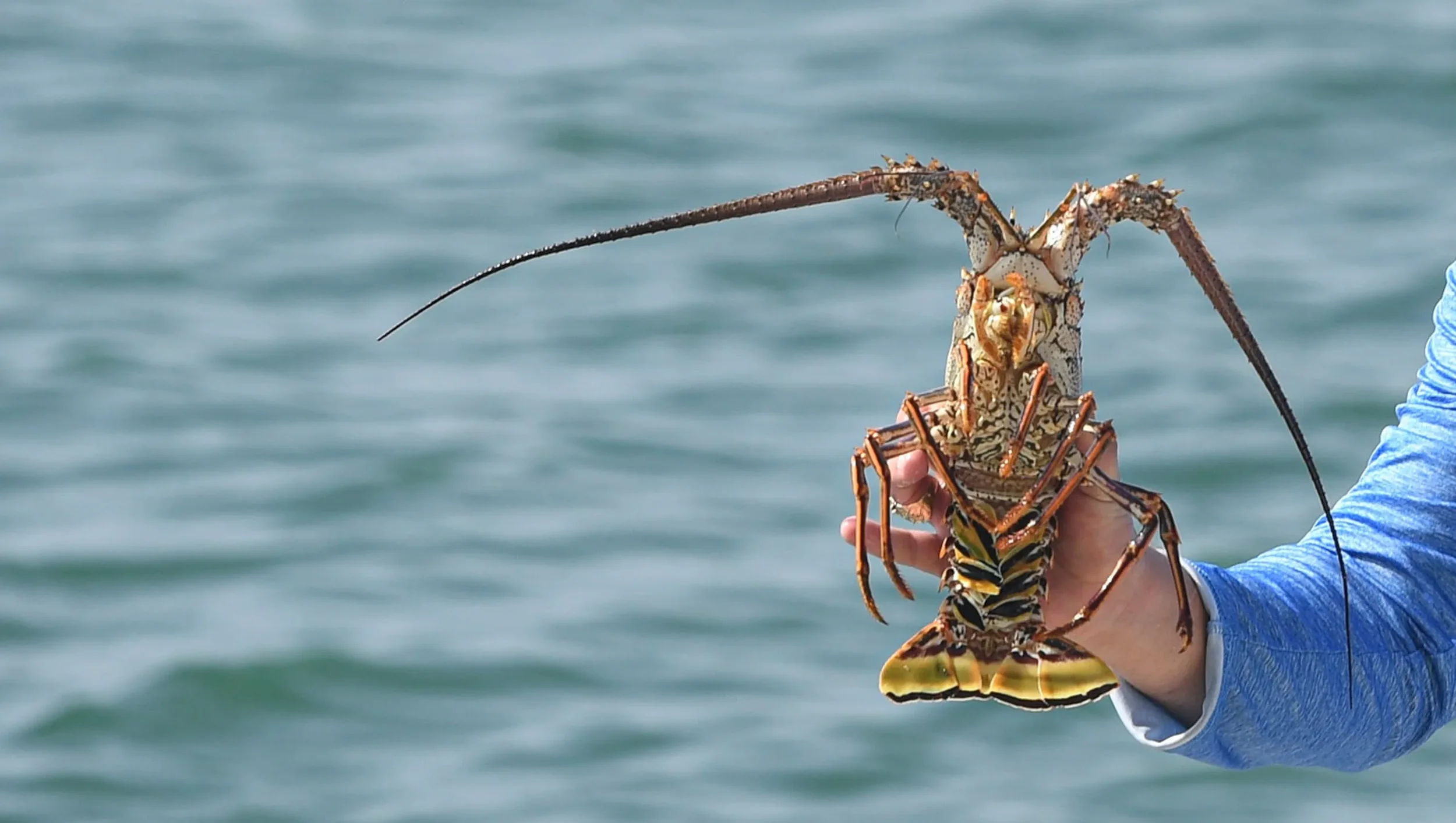
Minimum size: Carapace must be over 3″
No egg-bearing females may be harvested
Lobster license and Saltwater Fishing License are required
Dive flag must be used when in the water
Always check for the latest updates from FWC: https://myfwc.com